🕒 The Best Time of Climbing Kilimanjaro
Climbing Mount Kilimanjaro is an incredible adventure — and choosing when to go can be just as important as choosing how to get there. With its towering peaks, changing weather patterns, and dramatic scenery, timing your trek well can make the difference between a comfortable climb and a tough one. So, when is the best time to climb Mount Kilimanjaro? Let's break it down season by season, based on real experience and expert insights.
Best Months to Climb Kilimanjaro
There are two ideal trekking seasons on Kilimanjaro. 🗓️ January to mid-March — Weather: warm, mostly dry, and sunny days. Scenery: clear views, especially in early morning hours. Crowds: moderate, not as busy as peak season. Highlights: great time for photography with snow-capped peaks. This period is excellent for climbers who want mild temperatures and fewer crowds, especially from January through early February. However, March marks the start of the long rains, so it's best to go before mid-March. 🗓️ June to October (Peak Season) — Weather: dry and stable. Scenery: stunning, especially with vibrant skies at sunrise. Crowds: this is the busiest time on the mountain. Highlights: excellent summit conditions and trail visibility. This is the most popular time to climb Kilimanjaro, especially during the European and North American summer holidays. Trails are drier and conditions are reliable — just be ready to share them with other trekkers. 🌧️ Seasons to Avoid (if possible) 🗓️ Mid-March to May (Long Rainy Season) — heavy rains make trails slippery and visibility poor. Higher risk of altitude-related discomfort due to cold/damp conditions. Fewer trekkers, which some may enjoy — but it comes at a cost. Unless you're highly experienced and well-prepared, this is not the ideal time to climb. Campsites can become muddy, and views are often clouded. 🗓️ November to Early December (Short Rainy Season) — less intense than the long rains, but still unpredictable. Fewer climbers on the trail. You might catch some clear, cool days — but it's a gamble. This season is better than the long rains but still not highly recommended unless you're okay with occasional wet weather.
❄️ What About Snow on Kilimanjaro?
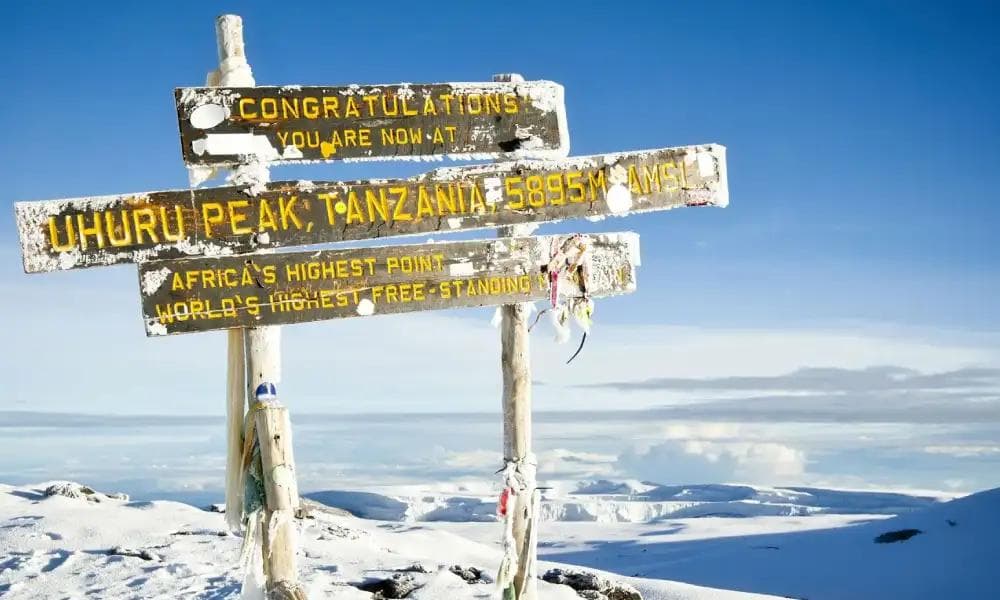
Snow is common on the summit year-round, but if you're hoping to see a snow-covered Uhuru Peak, your best chances are January to March and during or just after the rainy seasons (April or early December). Snow adds magic to summit day — but it also adds challenge, so plan accordingly.
📊 Kilimanjaro Weather Overview by Month
| Month | Season | Conditions | Crowds |
|---|---|---|---|
| January | Dry (best) | Clear skies, mild temps | Medium |
| February | Dry (best) | Warm, excellent visibility | Medium |
| March | Transition | Increasing rain | Low |
| April | Rainy (avoid) | Wet, cloudy, slippery | Very Low |
| May | Rainy (avoid) | Poor trail conditions | Very Low |
| June | Dry (peak) | Cool mornings, clear views | High |
| July | Dry (peak) | Cold nights, sunny days | Very High |
| August | Dry (peak) | Excellent summit weather | Very High |
| September | Dry (peak) | Great views, mild weather | High |
| October | Transition | Some rain later in month | Medium |
| November | Rainy (avoid) | Short rains, unpredictable | Low |
| December | Transition | Clear early, wetter late | Medium |
🏔️ Expert Tips for Choosing the Right Time
Avoid school holidays (July & August) if you want fewer crowds. If it must be rainy season, go with an experienced operator and plan for extra weather protection. Acclimatization is more important than sunshine — longer routes like Lemosho and Northern Circuit offer better altitude adjustment, no matter the season. Cold months mean better summit photos (less cloud cover), but warm months mean more comfort on the trail.
Still searching for that perfect trip?
Get weekly inspiration delivered right to your inbox!