Complete Mount Kilimanjaro Packing List
Climbing Mount Kilimanjaro is not your average vacation. At 5,895 meters (19,341 feet), it demands both mental toughness and the right gear. The good news? You don't need to spend a fortune — but you do need to pack smart. This guide covers everything you need to bring for a safe, comfortable, and successful climb. Whether you're joining a guided trek or climbing with a private team, this list is built for clarity, comfort, and cold-weather readiness.
🎒 Essentials Checklist: What You Must Bring
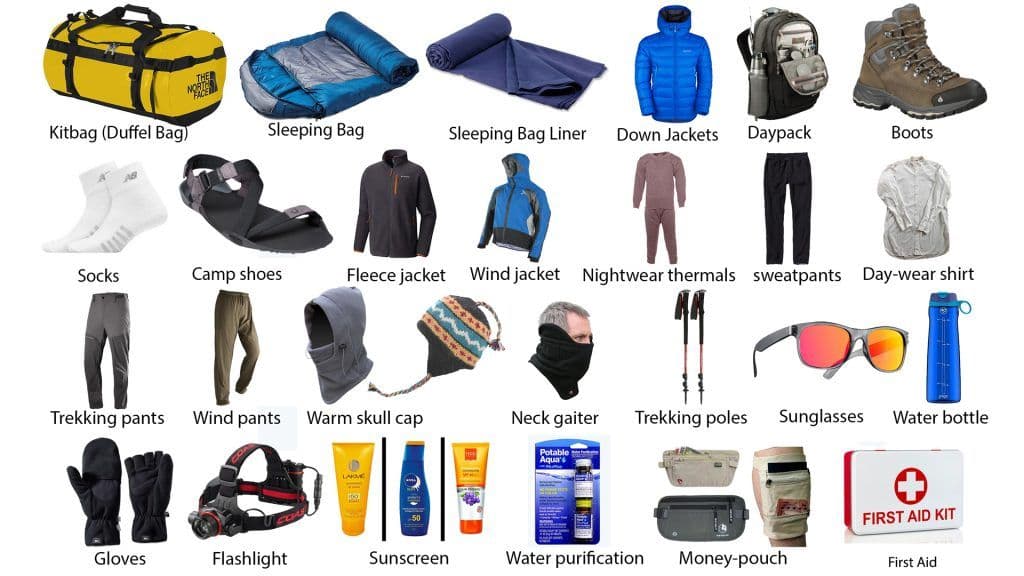
These are the absolute must-haves — gear and clothing you'll use every single day. 🧥 Clothing Layers: Kilimanjaro has five ecological zones, and temperatures vary wildly. Think: layering system. Base layers (thermal underwear) — 2-3 sets (top & bottom), moisture-wicking. Mid layers — fleece or softshell jackets. Insulated jacket — down or synthetic for summit night. Outer layer — waterproof and windproof jacket & pants (Gore-Tex preferred). Hiking pants — 2 pairs, quick-dry. T-shirts — 3-4 breathable, moisture-wicking. Warm hat — covers ears. Sun hat or cap — for lower altitudes. Gloves — lightweight liner gloves + insulated waterproof gloves. Buff or neck gaiter — for wind, dust, and warmth.
👟 Footwear
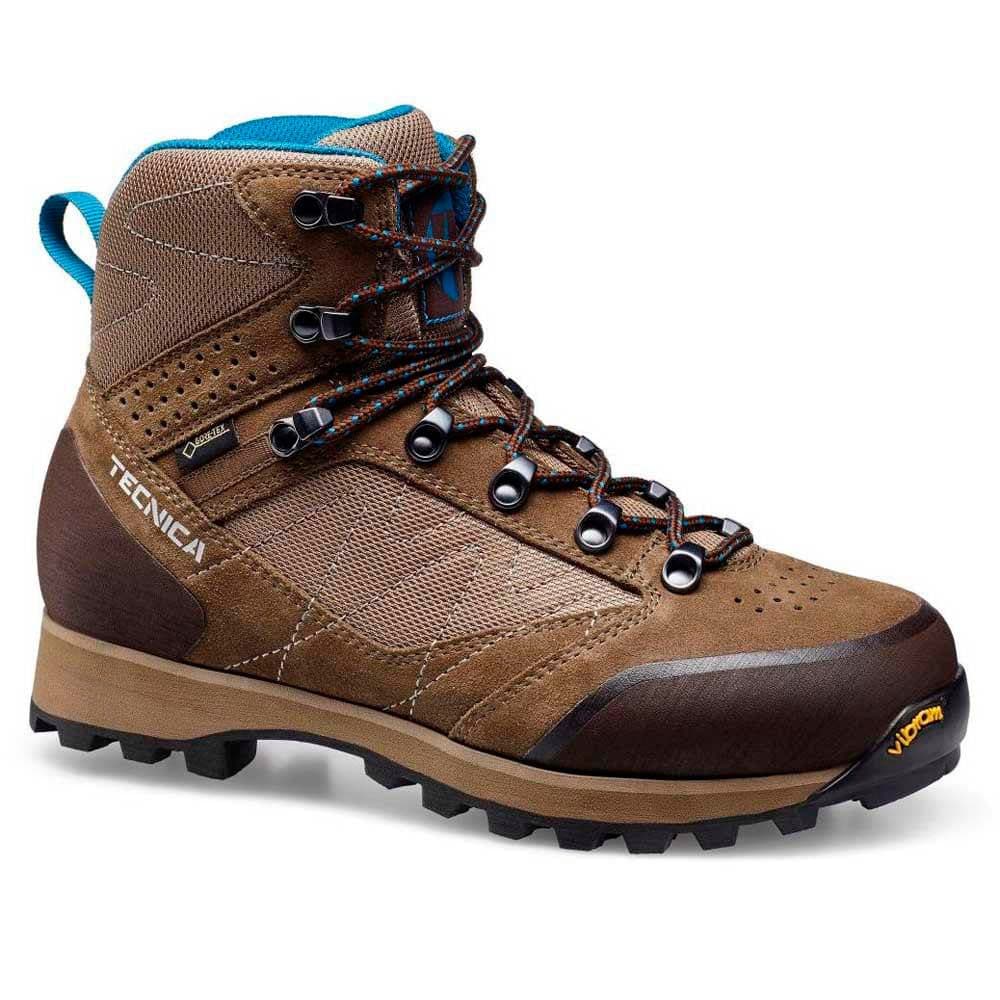
You'll walk 6-8 hours a day, so comfort is key. Hiking boots — waterproof, broken-in, ankle support. Camp shoes — Crocs or trail runners for evenings. Wool or synthetic socks — 4-6 pairs. Gaiters — optional, but helpful in muddy/snowy areas.
🛏️ Sleeping Gear
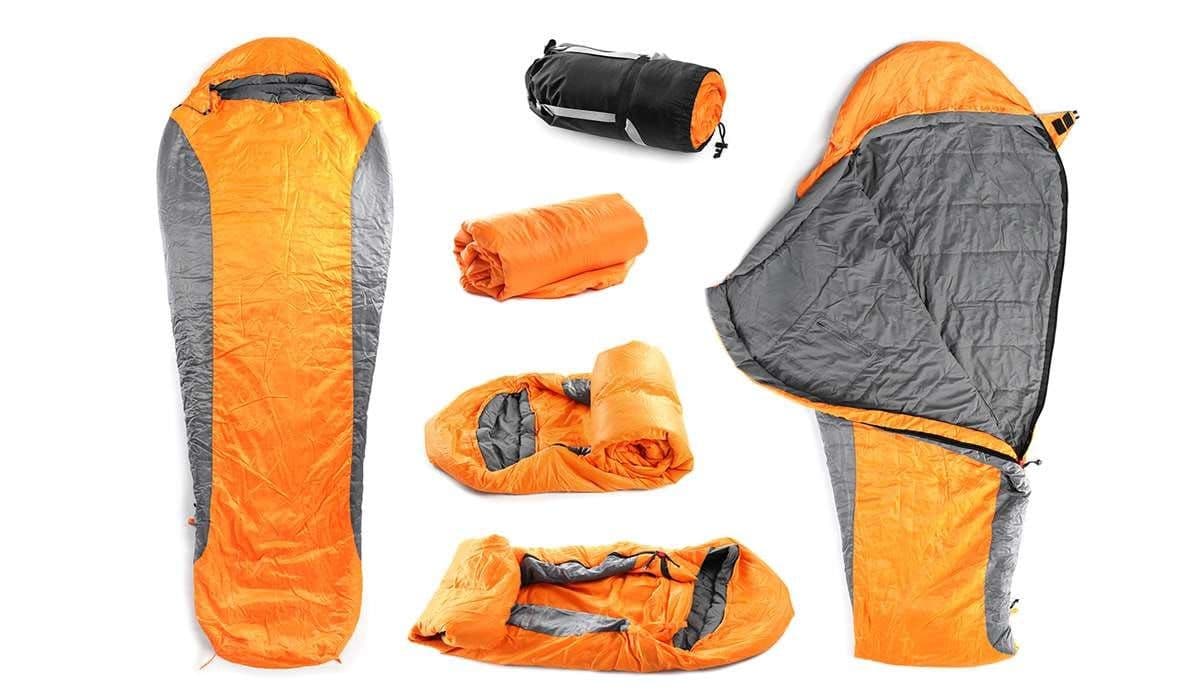
Most tours include tents and sleeping mats, but confirm what's provided. Sleeping bag — rated to at least -10°C (14°F) or lower. Sleeping bag liner — adds warmth and keeps the bag clean. Travel pillow or inflatable pillow.
🎒 Daypack Essentials
You'll carry your own daypack with the items you need between camps: 30-40L daypack with padded shoulder straps and hip belt. Hydration system — 2-3L (CamelBak or water bottles). Snacks — trail mix, energy bars, dried fruit. Sunglasses — UV-blocking, glacier-rated preferred. Sunscreen & lip balm — SPF 30+. Headlamp — with spare batteries (for summit night). Camera or smartphone — optional, for photos. Notebook & pen — optional, for journaling.
🧼 Personal Hygiene & Health
Stay fresh (or as fresh as possible) with this minimalist hygiene kit: toiletries (biodegradable soap, toothbrush, toothpaste, deodorant), wet wipes (your best friend on the mountain), hand sanitizer (essential before meals), quick-dry towel (medium size), toilet paper (carry a roll in a Ziploc), basic first aid kit (blister treatment, painkillers, anti-diarrheals), altitude medication (Diamox — consult your doctor), personal medications (include malaria pills if needed), earplugs (for snoring tentmates).
📦 Optional but Useful Extras
These aren't mandatory but can make a big difference in comfort: power bank (solar or pre-charged), trekking poles (highly recommended for knees and balance), stuff sacks/dry bags (to keep your gear organized & dry), energy supplements (electrolyte tablets or hydration salts), duct tape (for quick repairs), book or Kindle (for downtime), Ziploc bags (for waste, snacks, electronics), reusable pee bottle or funnel (nighttime convenience).
🧳 What's Provided by the Operator?
Most reputable companies like Asili Climbing Kilimanjaro include tents, sleeping mats, dining tents and utensils, food, water, cooking staff, and porters (who carry your main duffel bag). You're typically responsible for your clothing, sleeping bag, personal gear, and daypack. Many items can be rented in Moshi or Arusha — ask your tour provider in advance.
Still searching for that perfect trip?
Get weekly inspiration delivered right to your inbox!